16. BE AWARE THAT YOUR GRIEF AFFECTS YOUR BODY, HEART, SOCIAL SELF AND SPIRIT.
- Grief is physically demanding. The body responds to the stress of the encounter and the immune system can weaken. You may be more susceptible to illness and physical discomforts. Grieving parents often describe their grief as a pain in the chest or a physical ache. You will probably also feel sluggish or highly fatigued. Some people call this the “lethargy of grief”.
- The emotional toll of grief is complex and painful. Mourners often feel many different feelings, and those feelings can shift and blur over time.
- Bereavement naturally results in social discomfort. Friends and family often withdraw from mourners, leaving us isolated and unsupported. Mourners often feel out of place in a setting they once felt a part of.
- Mourners often ask, “Why go on living?” “Will my life have meaning now?” “Where is God in this?” Spiritual questions such as these are natural and necessary but also draining.
- All four facets of yourself are under attack. You may feel weak and powerless, especially in the early weeks and months. Only over time will you gain the strength to fight back.
CARPE DIEM:
If you’ve felt physically affected by your grief, see a doctor this week. Sometimes it’s comforting to receive a clean bill of health. (HEALING A PARENT’S GRIEVING HEART: 100 PRACTICAL IDEAS AFTER YOUR CHILD DIES, Alan D. Wolfelt, PhD, 2005)
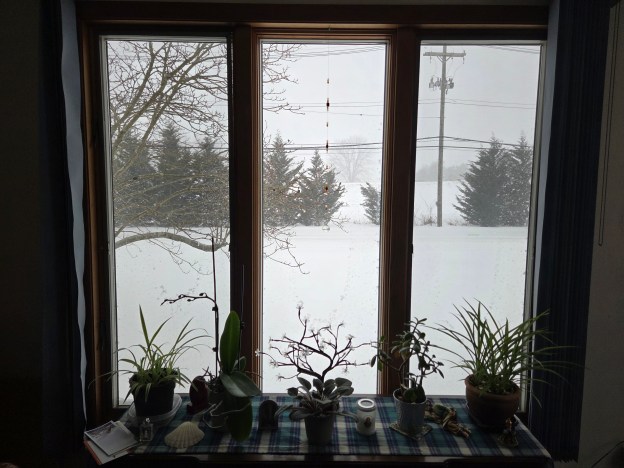
Usually, I just pick a snippet from the page, but today, all of it grabs my attention. It all rings true for me. It’s a snowy day here in the northeastern US. I’m enjoying being in my nice warm home, with a blanket on my lap, and a cup of tea. My kids would laugh about “my nice warm home”. I keep it at 65 when I’m up and 60 when I’m out or in bed.
Grief certainly is physically demanding. It’s a full-body experience. As my rent heart mends back together, I can finally feel the grief and externalize it into mourning. I could always talk about Joseph’s death, but a part of me still didn’t believe it. I remember at the burial site, standing at the foot of his casket. I didn’t sit with the rest of the mourners. I stood opposite the Deacon, who prayed the final prayers at the head of the casket. We looked into each other’s eyes. “May perpetual light shine upon him…And may his soul and the souls of all the faithful departed, through the mercy of God, rest in peace. Amen.” It was all so unreal.
My friend from Maine had driven me to the funeral home where I met my ex-husband, his wife, and our daughters, to make the “final arrangements”. Just as we were leaving to go there, a Deacon from my church and his wife came to the house. I told Deacon Steve and his wife, Lois, that I had called the rectory the night it happened. His response was, “Where was your community?” If only I had called them directly…The priest I spoke with only told me that the funeral home would call them to make arrangements.
The funeral director was a lovely man, who had also lost a child. Her portrait hangs in the entryway. I was okay while we sat at the desk in his office…or as okay as I could be. I don’t know that I said anything. When we were led into the showroom to choose a casket, I couldn’t enter the room. I backed out and went outside to be with my friend. I don’t remember if I went back in. It was that sense of unreality. That rending between what was and what I accepted. Again, I say that it is only recently that I believe he is really dead…through the process of working through this book and having been to Dr. Wolfelt’s presentation.
I am always in pain, in most of my body. I have been diagnosed with fibromyalgia, which was basically a rule-out of other diseases. I know, and I teach, that we carry our traumas in our bodies. This is the heaviest of the traumas I have experienced. The burden is made greater by my guilt and all the “what ifs” and “if onlys”. I have participated in various grief groups, in-person and virtually. They have all been helpful in one way or another. The suicide survivor groups have probably been the most helpful and I have made friends through them. No one else understands the depth of this particular loss. We see each other socially as well.
Social situations are very difficult for me. I prefer one-on-one get-togethers. Anxiety and a sense of just not fitting in anymore interferes with going to parties, celebrations, and group events, except for with the survivors, who feel the same way and give comfort to each other as a result of this understanding.
Day to day living can seem pointless at times. Heavy. But I have learned to Be Here Now, again, as Baba Dam Rass would say. There is a sacredness in each moment, each breath.
 Be kinder than necessary